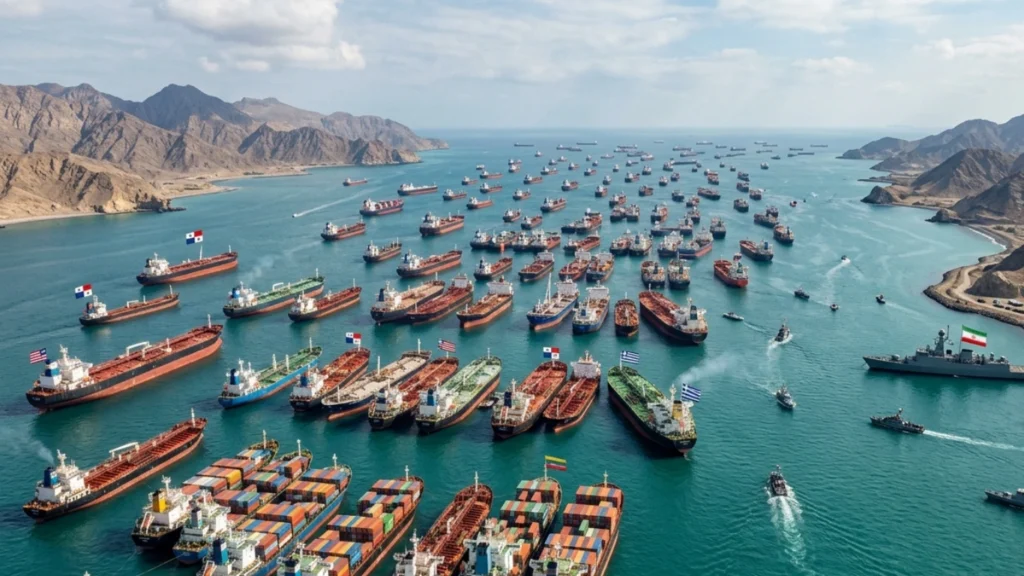
As of April 4, 2026, the Strait of Hormuz is still badly disrupted, and the shock is hitting the world economy. This narrow sea route carries a huge share of the world’s oil and gas. More than 40 countries are now pressing Iran to reopen it after traffic slowed to a trickle.
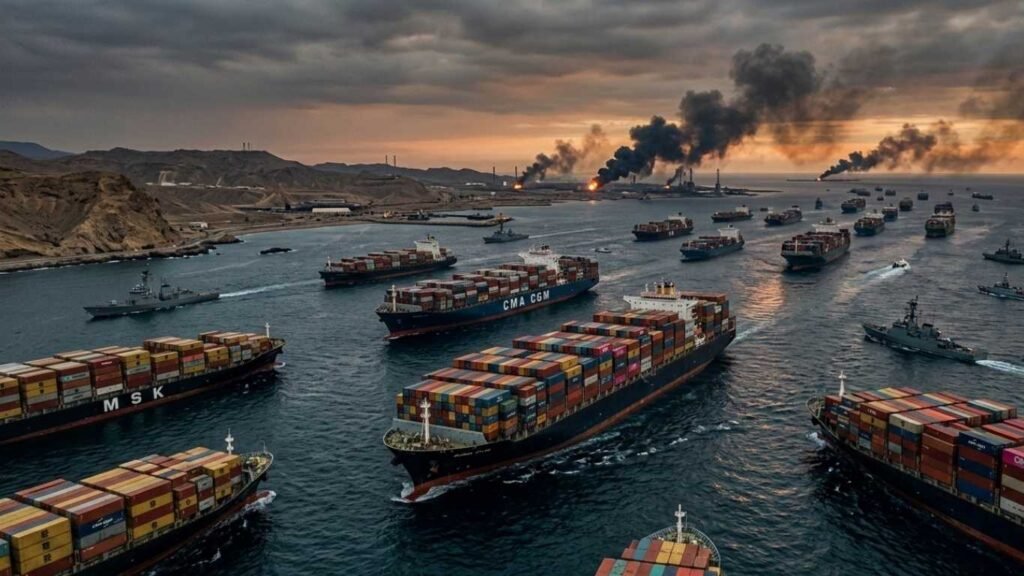
The Associated Press reported that nearly all normal shipping has been halted, with 23 direct attacks on commercial vessels since the war began on February 28, 11 crew members killed, and about 2,000 ships and 20,000 seafarers trapped by the crisis.
This waterway matters because the world depends on it every single day. The U.S. Energy Information Administration says the strait carried about 20 million barrels of oil per day in 2024, equal to about 20% of global petroleum liquids consumption.
It also carried about one-fifth of global LNG trade. Most of that energy goes to Asia, which means countries like China, India, Japan, and South Korea face the biggest risk when traffic stops.
The problem is not just energy. It is the whole supply chain. When oil and gas slow down, factories, trucks, ships, farms, and power systems all feel the pain. AP says the blockage has already caused shortages of fuel and fertilizer and pushed up food prices far beyond the Middle East.
Reuters also reported that U.S. fuel exports jumped to a record 3.11 million barrels per day in March as buyers in Europe, Asia, and Africa rushed to replace lost Middle East supply. Exports to Europe rose 27%, exports to Asia more than doubled, and exports to Africa jumped 169%.
The world is now trying to build workarounds, but those workarounds are not big enough. EIA says Saudi Arabia and the UAE have some pipeline routes that can avoid the strait, but together they may only offer about 2.6 million barrels per day of spare bypass capacity.
That is far below the 20 million barrels per day that normally move through Hormuz. In simple words, there is no easy backup road for this sea lane.
April 4 brought a small sign of relief, but not a real fix. Reuters reported that Iran has started allowing vessels carrying essential goods to reach its ports under strict rules. A few Omani, French, and Japanese-linked ships also crossed in recent days, showing that limited passage is possible.
But the broader chokehold remains, and U.S. intelligence believes Iran is unlikely to ease pressure soon. Japan still had around 45 vessels stranded in the area as of early April.
The crisis is already forcing countries to scramble. Taiwan said it secured LNG supply assurances from a major producer after relying on Qatar for about one-third of its LNG before the conflict. Italy is seeking new energy deals because Qatar has paused shipments through the near-closed route, with 10 cargoes canceled through mid-June. These are early warning signs of what comes next: higher prices, tighter supplies, and slower trade.
The bottom line is clear. The Strait of Hormuz is not just a regional flashpoint. It is a global supply chain pressure point. If the blockage continues, the damage will spread from oil markets to shipping lanes, then to factories, farms, supermarkets, and family budgets around the world. As of April 4, 2026, this is not a future risk. It is already happening.