Shipping can eat profit fast. This guide explains how to reduce transportation cost in logistics with clear steps that teams can use now. You will learn what it means, why it matters, how it works, what mistakes to avoid, and what to do next.
- Cut waste by planning better routes and filling trucks better.
- Use data to control fuel, freight rates, and late delivery costs.
- Fix small daily mistakes before they turn into big losses.
What It Is
How to reduce transport cost in logistics means lowering the money spent on moving goods. You do that without hurting service, product safety, or delivery speed. The goal covers fuel, labor, freight charges, storage delays, and failed deliveries.
Why It Matters
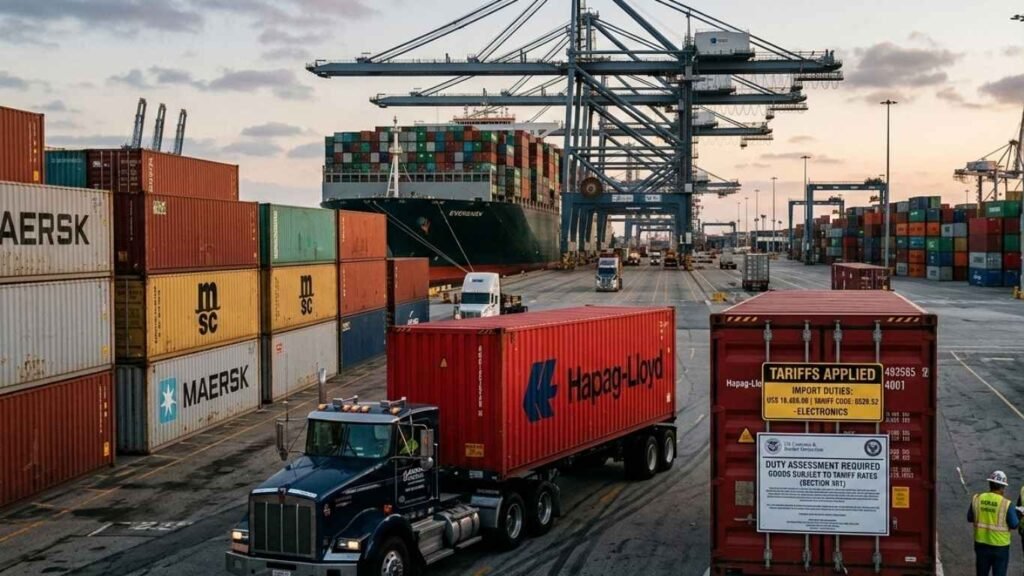
Transport often takes the largest share of logistics spend. When those costs rise, profit falls fast. Even a small loss on each load can become a large monthly problem.
High shipping costs also weaken your prices. If your costs stay high, rivals can sell cheaper. That can cost you orders, repeat buyers, and long-term growth.
Big firms work on this every day. DHL improves route planning to cut miles and fuel use. UPS studies delivery paths to save time and reduce empty travel. Amazon also redesigns package sizes because better packaging lowers shipping spend.
How to Reduce Transportation Cost in Logistics Step by Step
Start with a simple cost review. Check fuel use, truck fill rate, delivery zones, carrier rates, late fees, and return orders. Then rank the biggest cost leaks first.
Next, map the full trip from warehouse to customer. Look for wasted miles, half-empty trucks, waiting time, and repeat handling. These issues often hide in daily routines.
Then use better tools and habits. A transportation management system helps you track loads, compare carriers, and plan routes. Many teams use systems from SAP or Oracle for this job.
Improve route planning
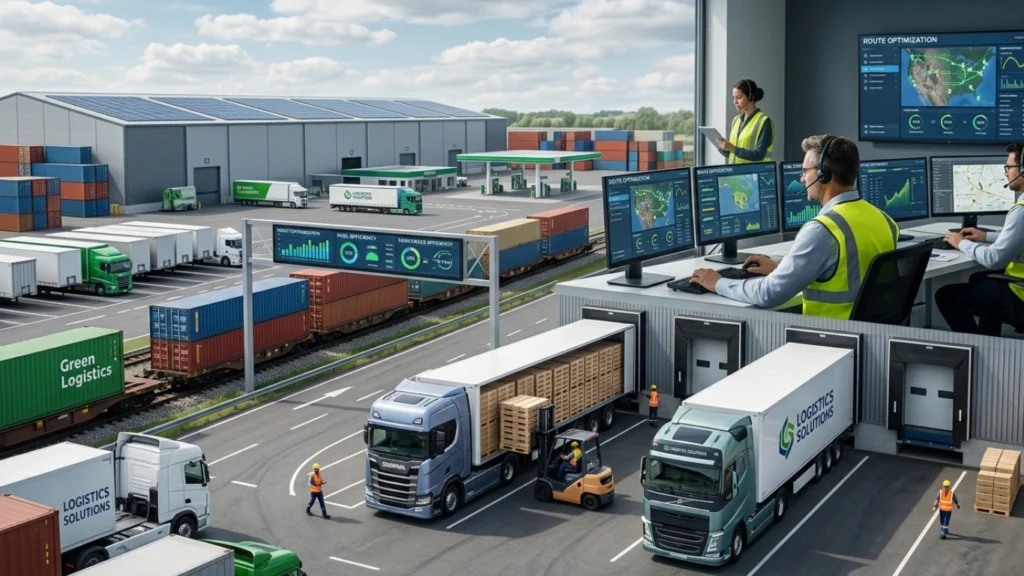
Route planning helps drivers take shorter and smarter paths. That cuts fuel use, labor time, and missed delivery windows. It also helps dispatch teams group stops in a better order.
Good route planning does more than pick the fastest road. It matches truck size, delivery time, and stop sequence. It also avoids sending two vehicles into the same area.
Use load consolidation
Load consolidation means combining smaller orders into fuller shipments. This lowers cost per unit and reduces handling. It also cuts the number of trips.
A half-full truck costs almost as much as a full one. Better load planning helps you use trailer space well. That makes each trip worth more.
Manage fuel with discipline
Fuel management needs daily control. Watch idle time, bad driving habits, and long detours. These small issues increase cost fast.
You can also review tire pressure, service schedules, and fuel card data. Well-kept vehicles burn less fuel. Drivers also make better choices when managers share clear targets.
Review carrier selection often
Do not choose a carrier by price alone. A cheap rate can bring delays, claims, and angry customers. Real value comes from fair rates and strong service.
Check on-time performance, service area, and damage history. Review extra fees for waiting time or rush orders. Good carrier selection helps keep freight cost reduction real, not just promised.
Common Mistakes and Misconceptions
Many teams think one big fix will solve everything. That rarely happens. Most savings come from many small changes done well.
Another mistake is using urgent shipping too often. Rush freight should stay rare. If it happens every week, planning failed earlier in the process.
Some managers ignore data and trust habit. That leads to weak choices. You need clear numbers on fuel, load use, and cost per mile.
Many firms also forget the last mile delivery problem. The final part of the trip often costs the most. Bad stop planning there can erase earlier savings.
Some teams also buy software and expect instant results. Tools help, but habits matter more. People still need to review data and act on it.
Actionable Next Steps for How to Reduce Transportation Cost in Logistics
Start with five simple actions this week. Each one can show savings fast if your team stays consistent.
1. Track the right numbers
Measure cost per mile, cost per shipment, fill rate, and late deliveries. Add empty miles and return rates too. These numbers show where waste starts.
2. Audit your routes
Review common delivery lanes and repeat trips. Look for backtracking, traffic-heavy paths, and low-drop routes. Small route changes can cut fuel and time fast.
3. Fill trucks better
Use load consolidation where possible. Review carton size and pallet setup. Better space use lowers cost on every trip.
4. Recheck carrier contracts
Compare rates, service levels, and hidden fees. Negotiate when your volume grows. Strong carrier selection often saves more than teams expect.
5. Use your warehouse to support transport
Late picking causes late departures. Poor staging causes loading errors. Better warehouse flow supports faster and cheaper shipping.
Conclusion:
Reducing transportation costs in logistics starts with better planning, better data, and better daily decisions. When you improve routes, fill trucks properly, and control carrier performance, you cut waste without hurting service. The best results come from small, steady changes that save money on every shipment.